Get free quotes from SCADA consulting near you
Takes about a minute. Free, no obligation; providers reply to you directly.
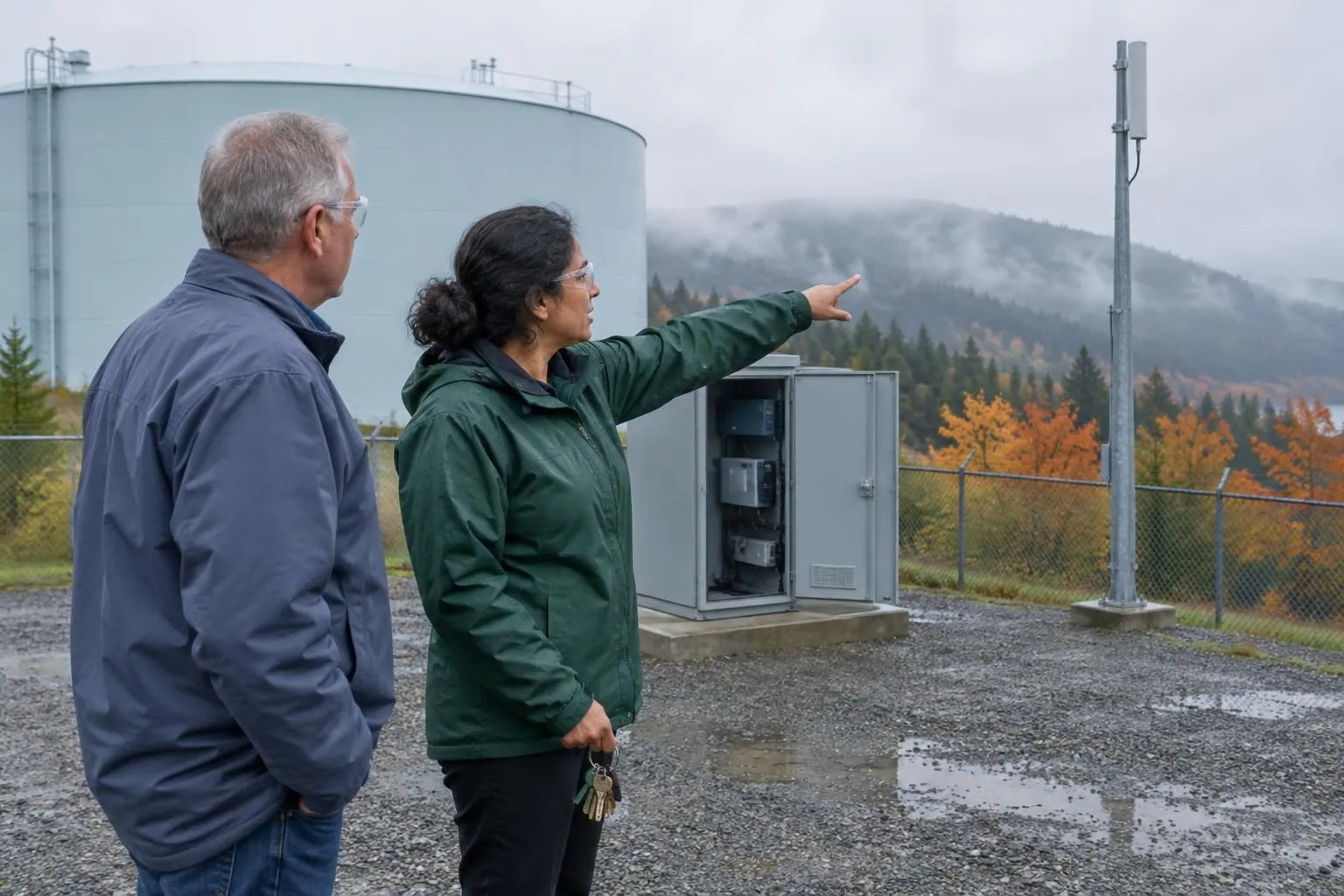
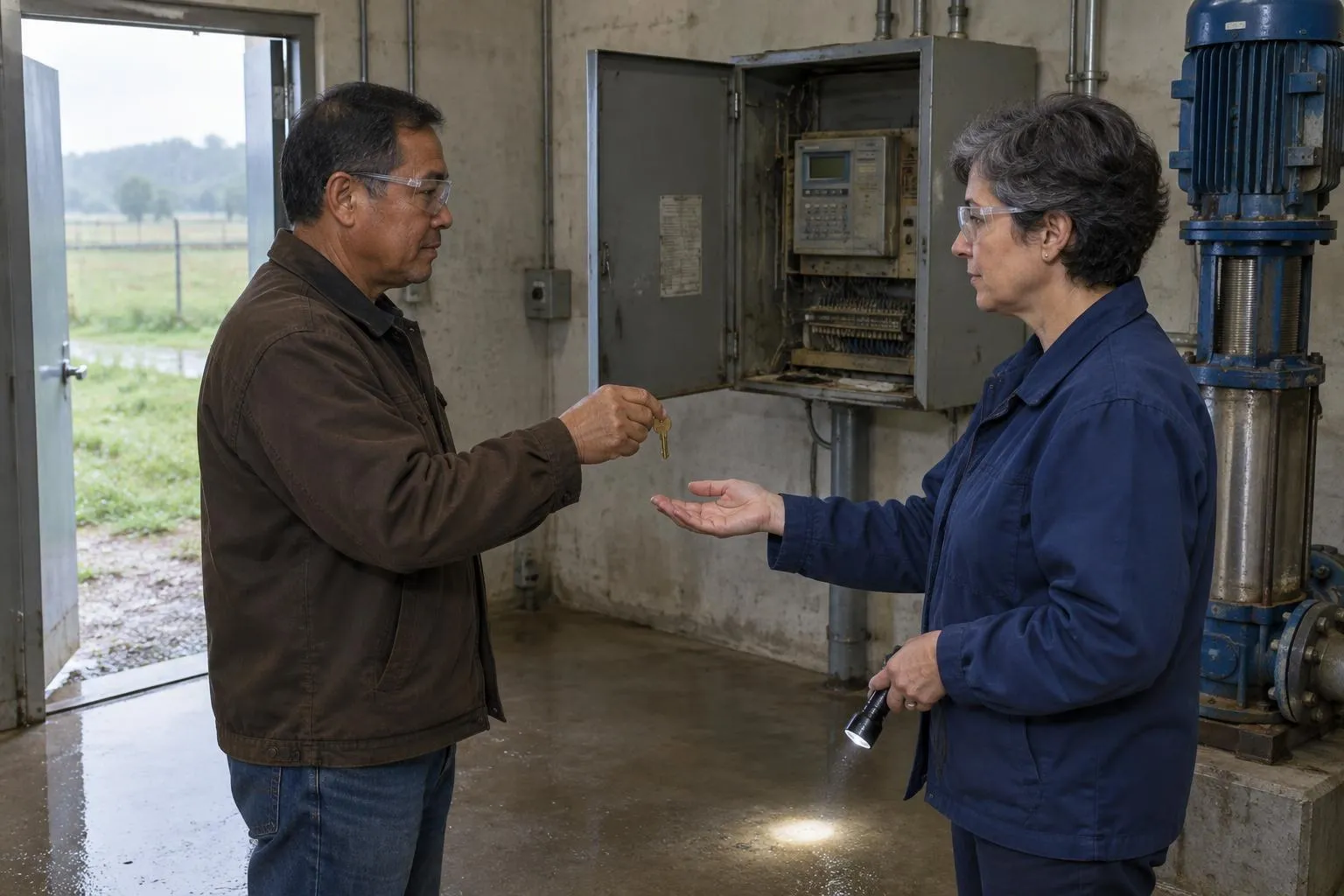
A water utility in the Midwest — let’s call it a mid-sized municipality running about 40,000 connections — awarded a SCADA modernization contract to the lowest bidder. Saved $80,000 upfront compared to the next quote. Eighteen months later, their primary integrator had closed up shop, their HMI ran on a software version nobody supported anymore, and their on-call operator was manually logging chlorine dosing data on a clipboard because half the RTUs had stopped reporting. The “cheap” project ended up costing three times the original contract to remediate. I’ve heard versions of this story more times than I can count.
Here’s the thing though: sometimes the cheaper consultant is completely fine. The honest answer is more nuanced than “always pay top dollar.” Let me tell you when it matters and when it doesn’t.
The Short Version:Budget SCADA consultants can work well for small, simple systems with limited expansion plans. For anything touching critical infrastructure, safety systems, or facilities you plan to scale — the upfront savings evaporate fast. The hidden costs of a poorly designed SCADA system routinely exceed the original implementation budget.
Key Takeaways
- SCADA consultant rates run $100–$200/hour; the difference between tiers isn’t just speed — it’s documentation, standards compliance, and what happens when something breaks at 2am
- Budget RTUs cost $200–$300 vs. $4,000–$5,000 for full-featured units — that gap represents real differences in reliability, protocol support, and vendor longevity
- HMI licensing scales from free (open-source, no support) to $50,000–$60,000+ for enterprise tiers; a cheap consultant who undersizes your license will cost you later
- TCO — not tender price — is the only honest way to evaluate SCADA proposals
When Cheap Actually Works
I’ll be honest: not every SCADA project needs a $185/hour certified integrator with GICSP credentials and an ISA/IEC 62443 framework.
If you’re running a small irrigation system, a single-building HVAC automation project, or a boutique manufacturing line with minimal I/O and no regulatory exposure — a capable freelancer at the lower end of the rate range can absolutely get the job done. The key variables are scale, complexity, and what failure actually costs.
For smaller systems, boutique SCADA firms often outperform both discount integrators and enterprise shops. The enterprise firm brings overhead, account management layers, and a tendency to spec solutions built for 10x your footprint. A focused boutique that knows your platform can deliver a tighter, more maintainable system for less.
Nobody tells you this part: the cheap consultant who built five identical small-system deployments on the same platform may actually know that platform better than a large integrator who touched it twice last year.
Where It Goes Wrong
Here’s what most people miss about budget SCADA work: the problems don’t show up on day one. They show up two years later, during an expansion, after a software update, or when the person who built it isn’t returning calls.
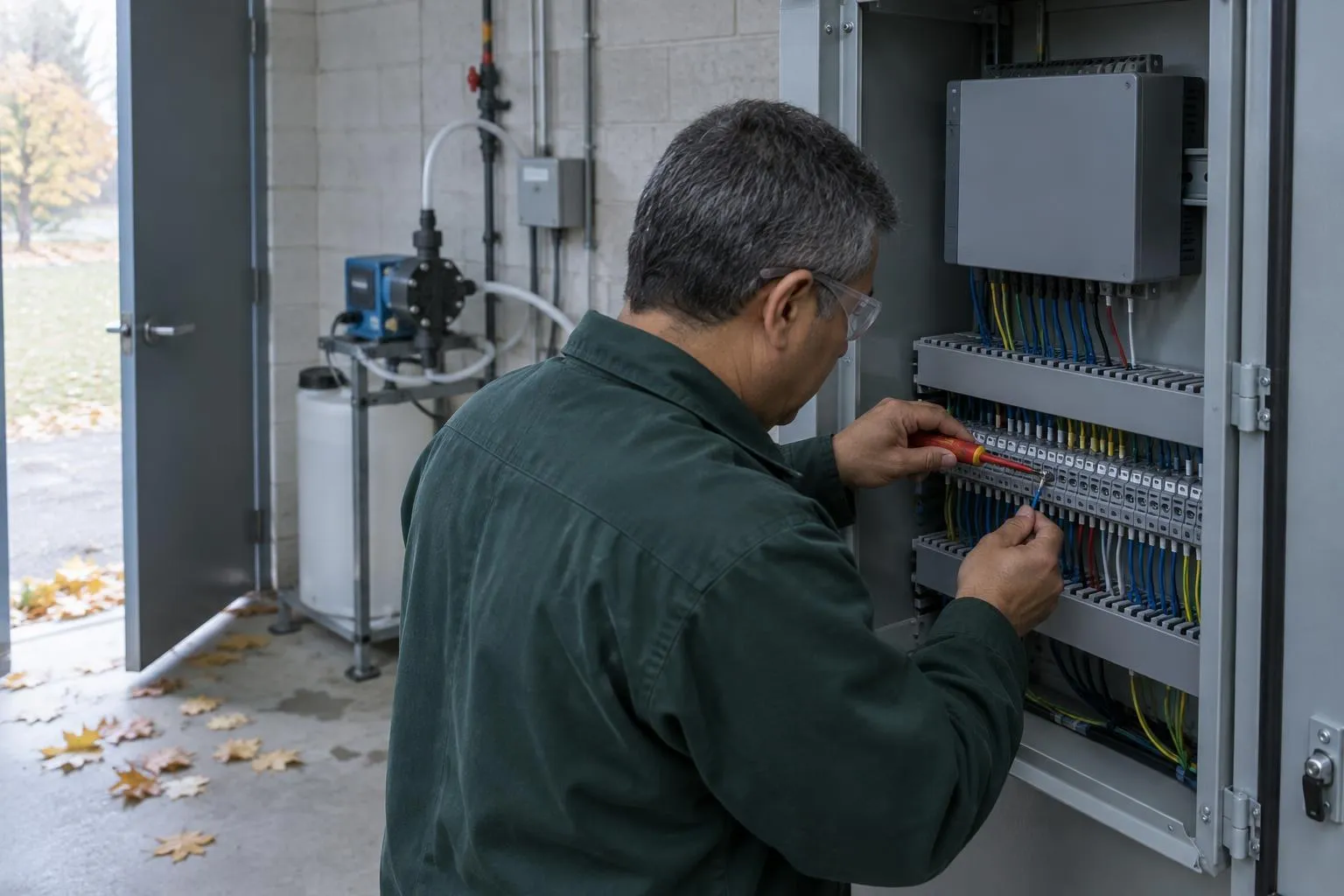
The documentation gap is the biggest killer. Quality integrators document obsessively — network diagrams, tag databases, PLC logic comments, change logs. Budget integrators often don’t. When something breaks (and it will), you’re debugging a black box. One systems integrator put it bluntly: their work costs more at tender, but “clients can be sure that their system will be of high quality, function as intended, be well documented and meet all relevant standards — this normally saves them a lot more than the difference in the initial price.”
Hardware selection compounds over time. A cheap consultant optimizing for bid price will often spec budget RTUs in the $200–$300 range. These units typically feature low-grade components, no customization options, no included tech support, and no guarantee of future availability. When that RTU fails in year three and the manufacturer has discontinued the product, you’re not just replacing hardware — you’re rebuilding your I/O mapping, potentially updating your HMI tags, and hoping nothing downstream breaks.
Reality Check:A $300 RTU vs. a $1,100 mid-tier unit looks like an $800 savings. Factor in one remediation service call at $150/hour, plus the downtime cost of a non-reporting station on a water treatment system, and that math inverts quickly.
Licensing mismatches are a slow-moving disaster. Tag-based and per-user licensing models mean your SCADA costs grow with your facility. A consultant who undersizes your initial license to win the bid creates a situation where expansion costs hit you as a surprise. Enterprise HMI platforms run $50,000–$60,000+ — but the alternative isn’t “free forever,” it’s “free until you outgrow it and face a painful migration.”
The Real Cost Comparison
| Factor | Budget Consultant | Mid-Tier Integrator | Senior/Specialist |
|---|---|---|---|
| Hourly rate | ~$100/hr | $130–$160/hr | $180–$200/hr |
| Documentation quality | Minimal | Moderate | Comprehensive |
| Standards compliance (ISA, NERC CIP) | Inconsistent | Usually solid | Core competency |
| RTU hardware spec | Budget ($200–$300) | Mid-range ($700–$1,100) | Fit-for-purpose ($1,100–$5,000) |
| Post-implementation support | Variable | Usually available | Contractual SLA |
| Expansion readiness | Often problematic | Generally planned | Explicitly designed |
| Cybersecurity posture | Rarely addressed | Addressed on request | Integrated by default |
The honest read on that table: the top row (hourly rate) is what dominates procurement decisions. Everything below it is what determines your 5-year TCO.
Pro Tip:Ask every consultant for a reference from a client who expanded their system 2+ years after initial deployment. How that expansion went tells you more about the consultant’s quality than any demo or proposal.
The Hidden Cost Nobody Budgets For
Without accurate SCADA data, you lose visibility into chemical dosing accuracy, equipment performance degradation, and scrap rates. These aren’t abstract losses — they’re real operational costs that accumulate invisibly until something breaks badly enough to force a reckoning.
The initial cost of a poorly designed system is always lower than its long-term recovery cost. That’s not a platitude — it’s a structural feature of how SCADA projects get priced. A consultant optimizing for the winning bid optimizes for day-one cost. You’re optimizing for the next decade of operations.
For a deeper look at how to evaluate consultants across all dimensions — not just price — the Complete Guide to SCADA Consultants covers the full selection framework.
Practical Bottom Line
Before you award to the lowest bid, run this quick gut-check:
-
What does an hour of downtime actually cost you? If it’s measured in thousands of dollars or public health risk, your consultant budget isn’t a cost center — it’s insurance.
-
Do you plan to expand? A system built cheap for today’s footprint is often incompatible with tomorrow’s licensing requirements.
-
Ask for documentation samples. Not a demo — actual deliverable samples from a past project. If they hedge, that tells you everything.
-
Price the full stack, not just labor. Get the integrator’s recommended hardware tier and software licensing model, then calculate what Year 3 expansion looks like under their proposal.
The cheap consultant isn’t always wrong. But “cheap” should come from efficiency and specialization — not from skipping documentation, speccing budget hardware, or undersizing your license. Those savings have a due date, and you’re the one who pays when it comes.
Done reading? Get quotes from SCADA consultants near you.
Takes about a minute. Free, no obligation; providers reply to you directly.
Popular cities:
Nick built this directory to help plant engineers and utilities find credentialed SCADA consultants without wading through vendors who mostly want to sell proprietary hardware — a conflict of interest he ran into when evaluating control system upgrades for an industrial facility.