Get free quotes from SCADA consulting near you
Takes about a minute. Free, no obligation; providers reply to you directly.
It’s the first hard freeze of the season, and at 2 a.m. the alarm page shows three remote sites gone quiet. Nothing has tripped. The RTUs just stopped checking in. Was it the radio, the battery, or a frozen transmitter feeding bad data? You won’t know until a truck gets there, and the roads are bad.
That is the winter SCADA problem. It rarely looks like a dramatic failure. It looks like silence.
The Short Version: Winter storms hurt SCADA in four ways: frozen field equipment, lost site power, lost communications, and delayed operator visibility. Fix them in that order, before the first freeze. Test backup power under load, confirm a second communications path, and review your alarm and escalation settings. A SCADA consultant earns their fee by testing the failover you assume works.
Key Takeaways
- Four failure modes cover most of it: frozen instruments, site power loss, comms loss, and delayed operator visibility.
- Test, don’t inspect. EPA guidance says generators should be tested regularly under load and documented by connection type, capacity, load, and fuel consumption.
- Visibility has to reach the field. DOE’s 2024 utility resilience document recommends SCADA transfer capability at distribution substations so data reaches field crews as well as office dispatchers.
- Warm climates are not exempt. Water Online’s guidance on warm-climate water systems treats rare deep freezes as high-impact events that need heated enclosures, calibration, and drills.
What actually breaks
Most guides stop at “winterize your equipment.” Here’s what most people miss: the failures chain together. A site loses grid power, the battery carries the RTU, the radio draws more than anyone budgeted, and comms drop before the generator ever starts. Treat each link separately.
| Failure mode | What it looks like | Check before the freeze |
|---|---|---|
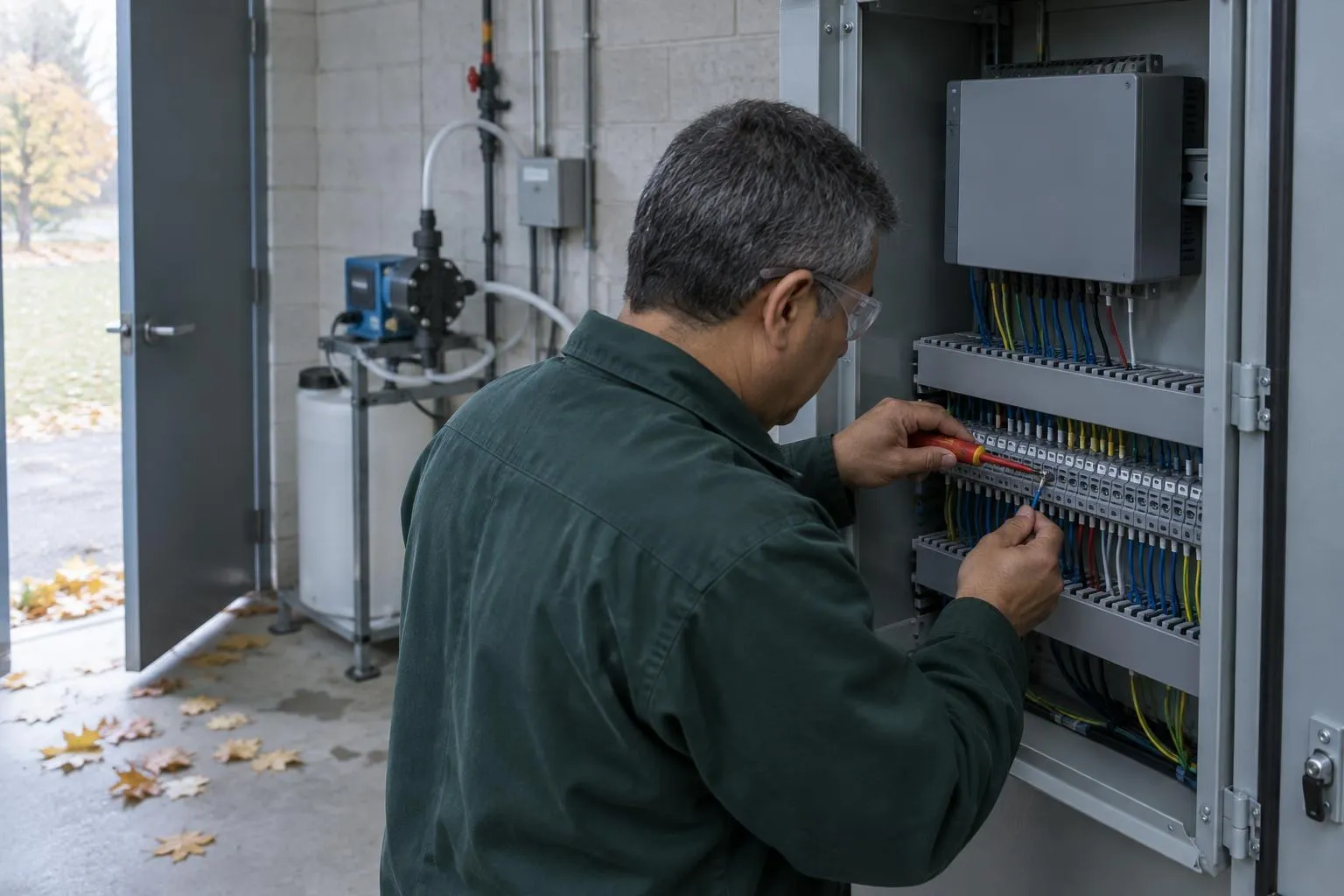
| Frozen field equipment | Stuck or drifting instrument readings | Enclosure heat, instrument calibration, heated enclosures for exposed sites |
| Loss of site power | Battery drain, RTU reboots | Generator tested under load, ATS transfer and return-to-utility logic |
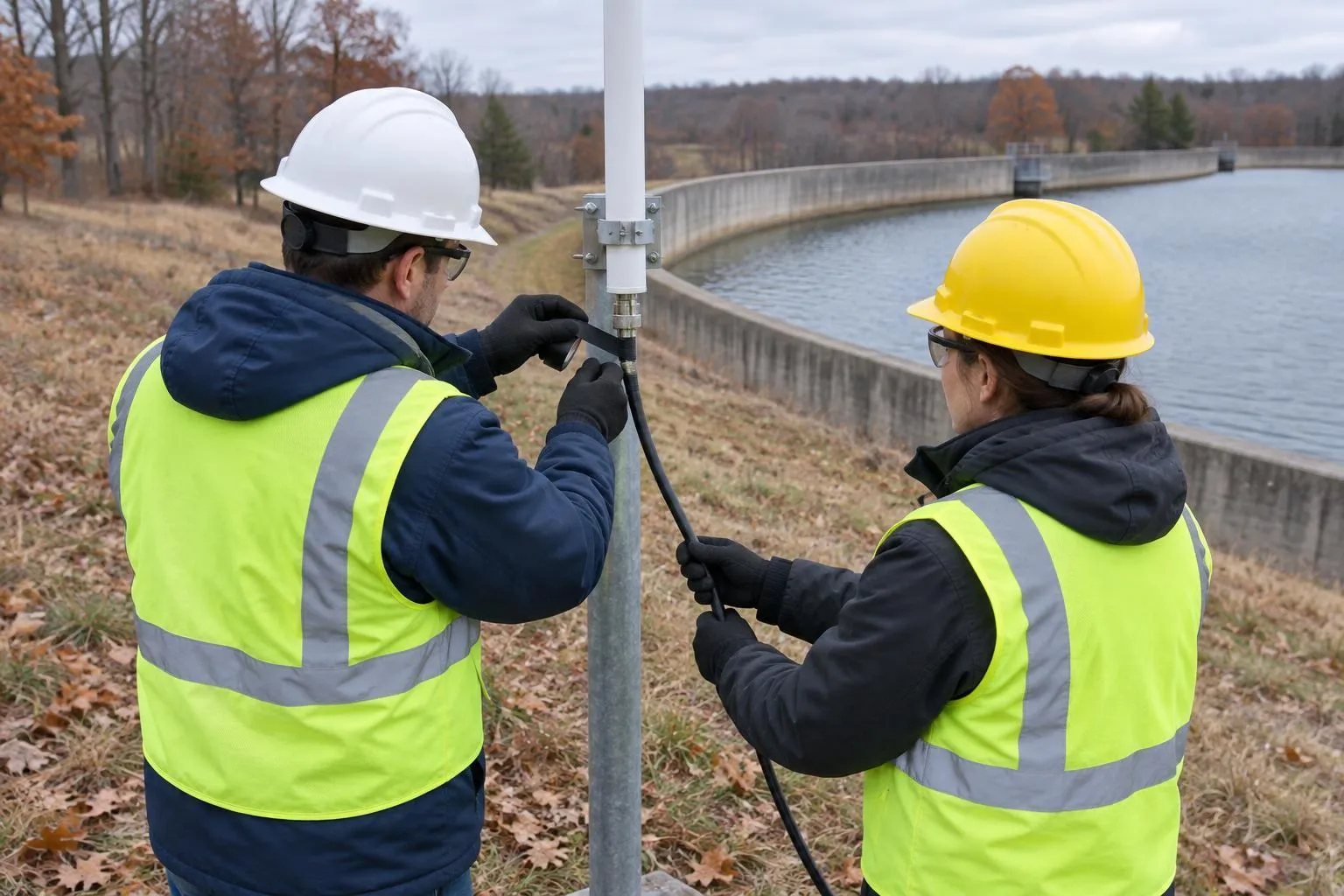
| Loss of communications | Sites missing from polling | Alternate path (for example cellular), RTU check-in timing |
| Delayed visibility | Alarms that reach no one | Alarm thresholds, after-hours contact lists, escalation paths |
Sources: EPA incident action checklist; Mission Communications; Water Online; TRC Companies.
A timeline you can actually use
Now through early November (today is October 6). Audit first. Pull RTU check-in history and find the sites with intermittent communication, because those fail first in a storm. Mission Communications’ 2026 post-storm guidance recommends verifying that RTUs check in on schedule, which tells you the baseline before weather muddies it.
Before the first freeze. Test generators and batteries under load, not just a start-and-idle. EPA guidance calls for documenting connection type, capacity, load, and fuel consumption, so you know how long a site really runs. Confirm ATS transfer logic and, just as important, what happens when utility power returns.
Before the first storm forecast. Review alarm thresholds for storm conditions and verify after-hours contact lists. An alarm that pages a retired operator is worse than none.
After every storm. Review alarm callouts, generator switchover, and telemetry gaps. This is also where TRC Companies’ advice pays off: pair SCADA/EMS data with weather-station history to benchmark facility temperatures and find which sites run coldest.
Reality Check: NERC’s EOP-012 is the core North American framework for extreme-cold preparedness, but it is aimed at generator owners and operators. If you run a distribution, water, or wastewater system, it likely isn’t your compliance standard. Its logic of identifying and fixing cold-weather vulnerabilities before they cost you still applies.
Communications failover: the gap most pages skip
Competing pages mostly cover post-storm recovery or compliance. The practical question is what happens to a site when its primary path dies.
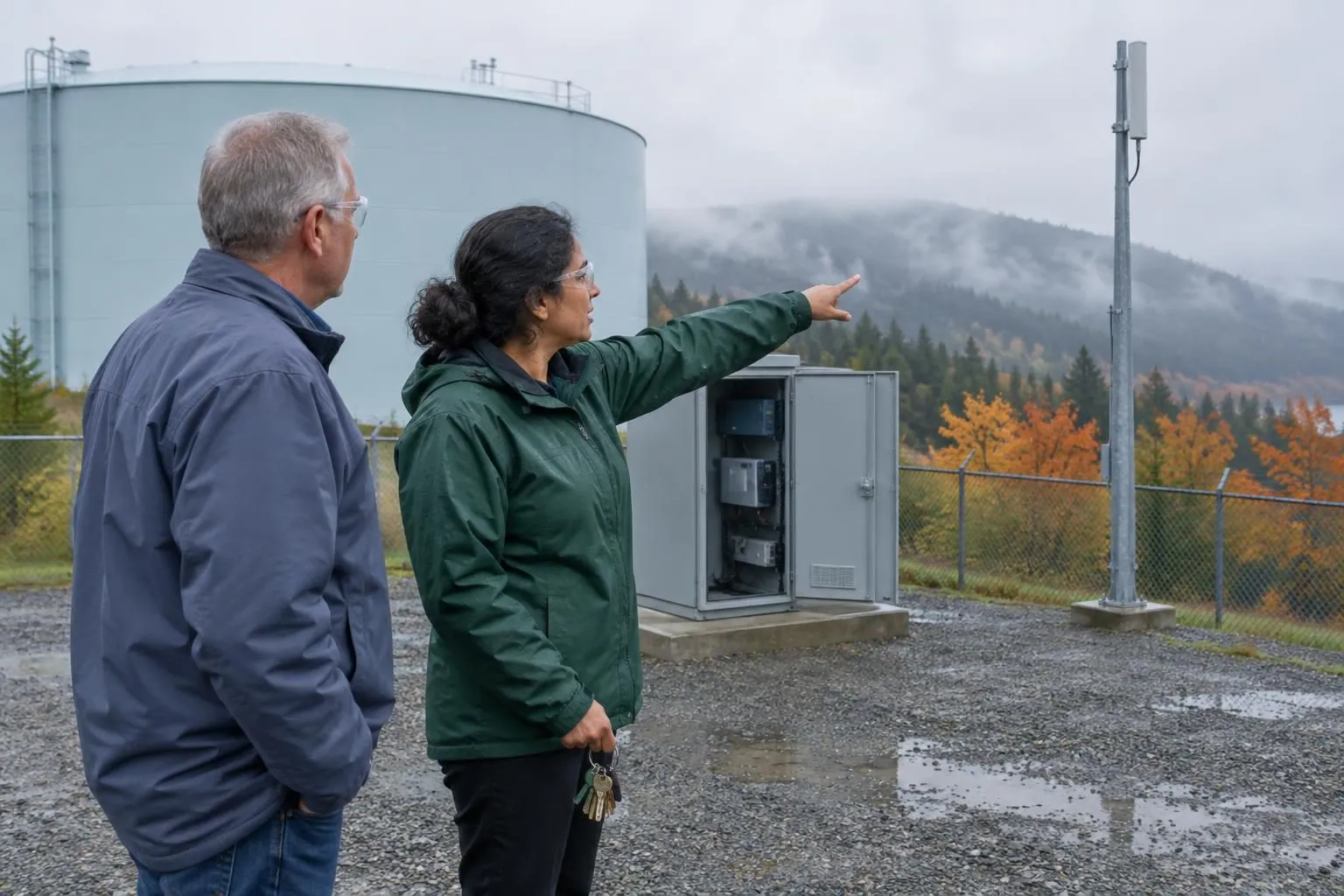
A Mission Communications case study reports that remote cellular SCADA helped a water utility avoid outages affecting thousands of customers during a storm, with other power out for up to a week. The lesson isn’t “buy cellular.” It’s that an independent path with its own power kept operators informed when everything else was down.
Ask three things about every critical site:
- If the primary link drops, does the RTU fail over automatically, or does someone have to notice?
- Does the backup path share a tower, a power feed, or a vendor with the primary?
- How long does the site’s battery carry the radio, not just the RTU?
Pro Tip: Pull the polling history from your last bad weather event. Sites that dropped out and came back repeatedly are your failover candidates, and they show up in the data without a single site visit.
Visibility that reaches the field
Utility-wide redundancy isn’t only about the control room. DOE’s 2024 distribution resilience guidance specifically recommends SCADA transfer capability for distribution substations, so field crews see the data and not just dispatchers. If the office is the only place that sees the alarm, a storm that closes the office closes your visibility.
Also keep people safe around the backup power you’re testing. Canada’s winter-storm guidance advises running portable generators at least 6 metres (20 feet) from buildings and using certified carbon monoxide alarms with battery backup. Put that in the site procedure, not just the safety binder.
Region by region
Cold-weather regions. Freeze protection is a routine issue here, so the work is verifying what you already own. If you’re near Detroit or Denver, start with enclosure heat and battery capacity at exposed sites, and test the generator under load rather than trusting last year’s run.
Warm-climate regions. Freezes are rare, so equipment often isn’t built or drilled for them. If you operate near Houston, the exposure is the thing nobody has rehearsed. Water Online’s guidance points to annual calibration, emergency drills, and heated enclosures as the cheap fixes. An unrehearsed team is the real vulnerability.
What a SCADA consultant adds
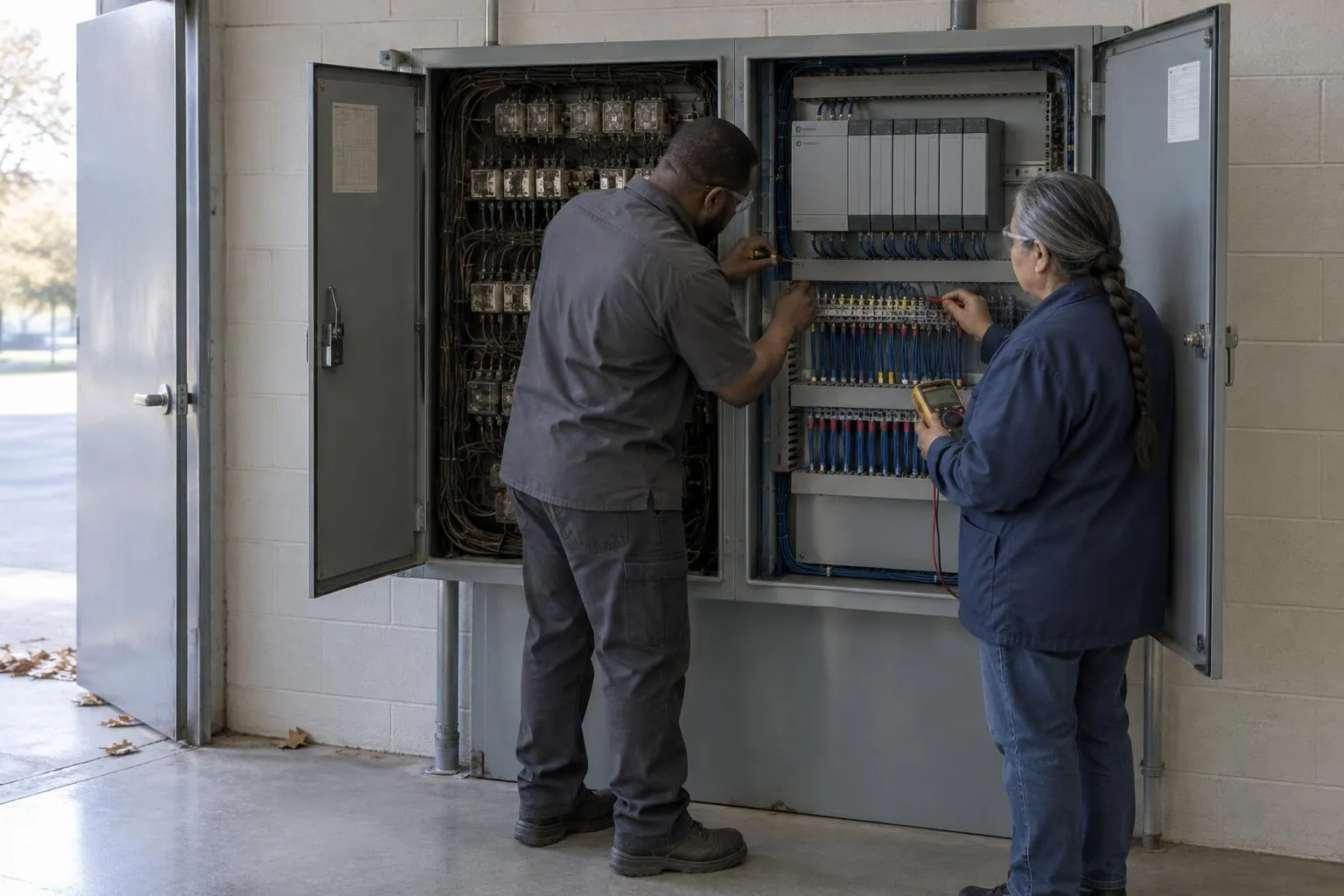
You can run most of this checklist in-house. A consultant’s value is independence and a failure-injection test: pulling the primary link, killing site power, and watching what the system does. Our complete guide to SCADA consultants covers the role in full. For this job, read how to prepare for a SCADA consultant session so the engagement starts with your polling history and alarm lists in hand. If your concern is cyber exposure rather than weather, SCADA consultant vs. OT cybersecurity consultant explains which one you need.
By the Numbers
According to SCADAIntel directory data (see our industry statistics):
- Verified providers listed: 269
- States covered: 45
- Most providers: CA (23), TX (22), FL (12)
- PE holders: 42 (16%)
- IEC 62443: 6 (2%)
- CAP: 5 (2%)
- Average years in business (where published): 38.2
The PE count matters for winter work. Enclosure heat and backup power are electrical design questions, so ask who is actually signing off.
Practical Bottom Line
- This month: pull RTU check-in history and list your intermittent sites.
- Before the first freeze: run generators and batteries under load, and document connection type, capacity, load, and fuel use.
- Confirm failover: make sure every critical site has an independent communications path with its own power.
- Fix escalation: update after-hours contacts and alarm thresholds for storm conditions.
- Bring in a consultant if you can’t test failover yourself. Costs are in our pricing guide.
Nobody tells you this: the site that fails in a storm is almost always one that already looked a little flaky in October.
Done reading? Get quotes from SCADA consultants near you.
Takes about a minute. Free, no obligation; providers reply to you directly.
Popular cities:
Nick built this directory to help plant engineers and utilities find credentialed SCADA consultants without wading through vendors who mostly want to sell proprietary hardware — a conflict of interest he ran into when evaluating control system upgrades for an industrial facility.